
Does Car Colour Affect Resale Value? UK Guide 2026
Does car colour affect resale value? See the latest UK used-car colour data, which shades attract the widest demand, and when colour can help or hurt a sale.
In this article
Car colour is easy to dismiss as a cosmetic detail. When you are selling a used car, however, colour can influence how many buyers notice the advert, how quickly the car generates enquiries and, in some cases, the price a buyer is prepared to pay.
The important point is that colour is a value factor, not a value formula. There is no reliable UK rule saying a black car is automatically worth a fixed amount more than the same car in red, or that every unusual colour should be discounted. Make, model, age, mileage, condition, specification, service history and current supply still matter far more.
What colour can change is desirability and saleability.
That matters in 2026 because the latest UK data shows very clear colour preferences across millions of used-car transactions.
Does Car Colour Really Affect Resale Value?
Yes, it can.
Auto Trader's current valuation guidance says a desirable colour can increase a car's value, while its pricing guidance also lists colour among the factors that can affect the seller's asking price even when it is not part of the core comparison calculation.
That distinction is useful.
Colour may not transform the underlying value of an ordinary used car, but it can affect:
- how broad the buyer pool is,
- how quickly the car attracts enquiries,
- whether buyers see the specification as desirable,
- how a dealer views the car's retail risk,
- and whether a seller has to reduce the price to generate interest.
A popular colour normally gives a mainstream car a broader audience. A rare colour can either make the vehicle more desirable or make it harder to sell, depending on the model.
What the UK Used-Car Market Says in 2026
The latest SMMT used-car data covers Q2 2026, when 2,009,318 used cars changed hands in the UK.
The leading colours were:
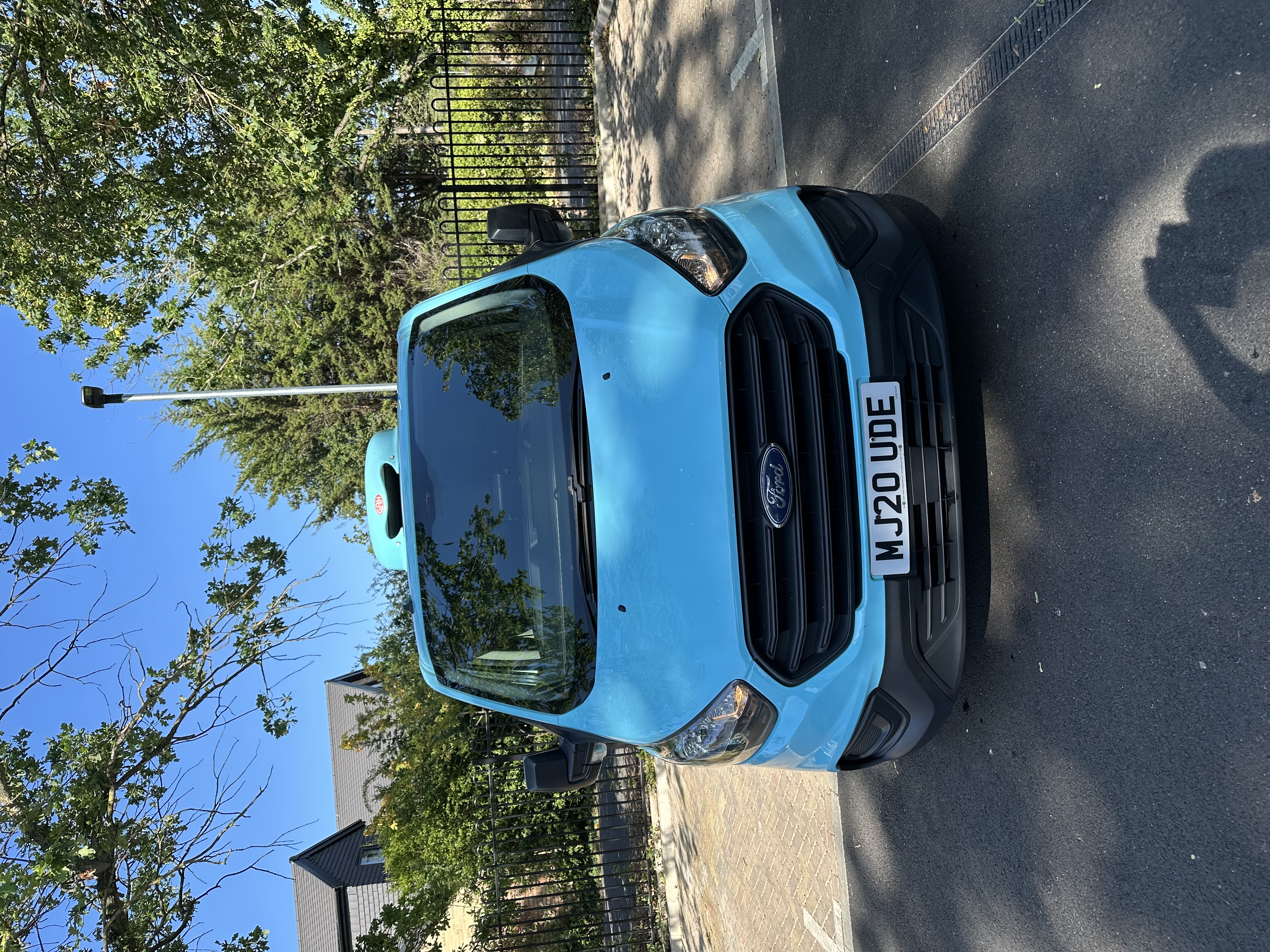
| Colour | Q2 2026 transactions | Approx. share |
|---|---|---|
| Black | 423,238 | 21.1% |
| Grey | 377,108 | 18.8% |
| White | 334,190 | 16.6% |
| Blue | 315,650 | 15.7% |
| Silver / aluminium | 255,718 | 12.7% |
| Red | 195,343 | 9.7% |
| Green | 38,242 | 1.9% |
| Orange | 15,671 | 0.8% |
| Yellow | 11,877 | 0.6% |
| Brown | 10,055 | 0.5% |
Black, grey and white together accounted for roughly 56.5% of used-car transactions in the quarter. Add blue and the four leading colours represented about 72.2% of the market.
That does not prove that those colours always achieve higher prices.
It does show something valuable for sellers: most UK used-car demand is concentrated in a relatively small group of familiar colours.
New-Car Colour Choices Matter Too
Used-car supply begins in the new-car market.
The SMMT's 2025 new-car colour data showed grey as Britain's most popular new-car colour for the eighth consecutive year.
In 2025:
- grey represented 27.6% of new registrations,
- black 23.0%,
- blue 15.2%,
- white 13.1%,
- silver 6.3%,
- and red 5.8%.
Green recorded particularly strong growth, but the market still remained heavily weighted towards neutral and familiar colours.
Those new-car preferences gradually feed into the second-hand market as vehicles age.
Popular Does Not Automatically Mean More Valuable
A common mistake is to treat colour popularity as a price chart.
It is not.
Imagine two otherwise similar five-year-old hatchbacks:
Car A
- black,
- 70,000 miles,
- incomplete service history,
- four damaged wheels,
- poor tyres.
Car B
- blue,
- 50,000 miles,
- full service history,
- excellent bodywork,
- two keys,
- recent tyres.
The black car is not automatically worth more simply because black is the UK's most common used-car colour.
The whole vehicle still determines the market position.
If you are trying to understand the bigger picture, compare colour alongside mileage and car value, service history and specification rather than judging one feature in isolation.
How the Most Popular Used-Car Colours Behave
Black: Huge Used-Car Demand, but Condition Shows Easily
Black was the most popular used-car colour in Q2 2026, with more than 423,000 transactions.
That broad demand can make black a sensible colour for many:
- executive cars,
- SUVs,
- prestige vehicles,
- family cars,
- and mainstream hatchbacks.
But black paint has a practical downside.
Swirl marks, light scratches, poor machine polishing and dusty bodywork can be especially visible under bright light.
A well-presented black car can look expensive. A badly prepared black car can make cosmetic defects obvious.
For sellers, presentation matters as much as the colour name.
Grey: A Consistently Mainstream Choice
Grey is another particularly broad-market colour.
It led the UK new-car market in 2025 and ranked second in Q2 2026 used-car transactions.
Grey works across a wide range of body styles because it tends to look conventional without being as stark as black or white.
It can also hide everyday road dust and minor marks more effectively than some darker finishes.
That does not mean every grey car deserves a premium. It means grey is unlikely to create a strong colour objection on many mainstream models.
White: Still a Major Used-Car Colour
White accounted for more than 334,000 Q2 2026 used-car transactions.
It remains common on:
- superminis,
- hatchbacks,
- SUVs,
- performance models,
- and commercial vehicles.
White can photograph cleanly and make body lines obvious, but poor paint repairs can also stand out when adjacent panels do not match properly.
On older vehicles, sellers should look for:
- shade differences between panels,
- lacquer deterioration,
- staining,
- stone chips,
- and previous repair work.
A buyer is assessing the paint condition, not simply whether the car is white.
Blue: The Strongest Mainstream Non-Neutral Colour
Blue was fourth in the Q2 2026 used market and third in the 2025 new-car market.
That makes it one of the strongest mainstream alternatives to black, grey and white.
Blue also covers an enormous range of shades. A dark metallic blue on an executive saloon creates a very different impression from a bright blue on a small hatchback.
This is why the model-colour combination matters.
A colour that suits the character of the vehicle can make the car easier to market.
What About Silver?
Silver once dominated British roads and remains a substantial used-car colour.
It accounted for more than 255,000 transactions in Q2 2026.
Although it is no longer the leading new-car colour, silver has practical advantages in the used market. It can hide light dust and minor marks reasonably well and is familiar to a broad range of buyers.
On some older cars, silver may also be exactly what buyers expect to see because it was particularly popular when those vehicles were new.
Resale demand therefore depends partly on the age and type of car.
Can an Unusual Colour Increase a Car's Value?
Sometimes.
This is where simple "popular colour is best" advice stops working.
A distinctive colour can be an advantage on:
- sports cars,
- hot hatchbacks,
- performance models,
- limited editions,
- retro-styled cars,
- enthusiast vehicles,
- and models strongly associated with a particular launch colour.
For the right car, a rare factory colour may make the vehicle stand out from dozens of similar adverts.
An enthusiast may even search specifically for that colour.
But rarity does not automatically equal desirability.
A rare shade on an ordinary fleet-style saloon may reduce the number of interested buyers rather than increase it.
The correct question is:
Is this colour desirable for this specific model and buyer group?
When Colour Can Make a Car Harder to Sell
Colour can become a disadvantage when it creates friction.
Examples include:
- an extremely polarising shade on a mainstream car,
- poor-quality repainting,
- mismatched panels,
- fading or lacquer failure,
- visible overspray,
- badly repaired stone chips,
- an aftermarket finish that does not suit the car,
- or a colour combination that clashes with the interior.
A buyer who likes the car but dislikes the colour has three choices:
- accept it,
- negotiate harder,
- or buy another car.
If there are many comparable vehicles available, colour becomes more important because the buyer can be selective.
Factory Paint, Repainting and Aftermarket Changes
Factory colour is normally easier for buyers to understand because it forms part of the vehicle's original specification.
A high-quality repaint can look excellent, but sellers should not assume the cost of the paintwork will be recovered in the resale price.
A buyer may ask:
- Why was the car repainted?
- Was it accident damage?
- Was there corrosion?
- Does the new colour match the recorded vehicle details?
- Was the work completed professionally?
If a vehicle's colour is changed, GOV.UK says the V5C must be updated to tell DVLA about the change.
That makes documentation important.
A colour change is not automatically a problem, but unexplained or poorly documented work can reduce confidence.
Repainting, Colour Changes and Premium Paint
Should You Repaint a Car Before Selling It?
Usually, do not repaint a perfectly serviceable car purely because another colour is more popular.
A full professional colour change can cost far more than the resale benefit it creates.
The calculation is different if the existing paint is badly damaged.
For example, repairing:
- a scraped bumper,
- a badly keyed panel,
- severe lacquer peel,
- or an obvious poor-quality previous repair
may improve the vehicle's presentation and buyer confidence.
But cosmetic spending should be proportionate to the car's value.
Our guide to scratches and dents before selling explains when bodywork repairs may be worth considering.
Metallic and Premium Paint: Does It Add Value?
Premium paint can contribute to a desirable specification, but the amount paid when the vehicle was new should not be confused with the amount recovered years later.
A £700 paint option does not automatically make a used car worth £700 more.
Its resale effect depends on:
- how desirable the shade is,
- the vehicle model,
- the age of the car,
- condition,
- competing stock,
- and whether buyers actively look for that finish.
This is similar to other factory equipment. Some options retain meaningful value while others mainly make a vehicle easier to sell.
For more detail, see our guide to optional extras and car value.
Pricing and Presenting a Car by Colour
Colour Can Affect Dealer Risk as Well as Buyer Demand
A dealer buying a vehicle is thinking about the next buyer.
They may ask:
- How many comparable cars are available?
- Is this an easy colour to advertise?
- Will buyers filter it out?
- Does the colour suit the model?
- Will the vehicle need longer in stock?
- Is the paint condition retail-ready?
That does not mean dealers apply a standard deduction for every unusual colour.
It means saleability can influence the trade offer.
The same principle applies to a private seller. If a colour dramatically narrows demand, the asking price may need to be realistic enough to compensate.
Use Comparable Cars, Not Generic Colour Rules
The best way to price an unusual colour is to compare the right vehicles.
Look for cars with the same or very similar:
- make,
- model,
- derivative,
- age,
- mileage,
- fuel type,
- gearbox,
- specification,
- condition,
- and history.
Then examine whether the colour appears to change asking prices or how quickly comparable cars disappear from the market.
Do not compare a yellow performance hatchback with a yellow family MPV and assume the colour should have the same effect.
The buyer groups are different.
Photograph the Colour Accurately
Colour only helps an advert if the photographs represent it properly.
Avoid:
- heavy filters,
- artificial colour saturation,
- extreme contrast,
- very dark night photographs,
- mixed indoor lighting,
- and reflections that disguise the paint.
Try to photograph the car:
- clean,
- in even natural light,
- with the whole vehicle visible,
- against an uncluttered background,
- and with additional close-ups showing the paint condition.
If the colour changes noticeably in different light, include photographs from more than one angle.
Accurate photographs reduce surprises when a buyer sees the vehicle in person.
Do Not Hide Paint Defects With Editing
Good photographs should make the car attractive without misrepresenting it.
If there is:
- a deep scratch,
- paint bubbling,
- lacquer peel,
- a mismatched repair,
- or significant stone-chip damage,
show it accurately and describe it.
A buyer discovering obvious paint defects after travelling to view the car is more likely to lose confidence or renegotiate aggressively.
Transparency is often more valuable than trying to make the advert look perfect.
How CarMazium Sellers Should Think About Colour
When you create a listing, treat colour as one part of the overall value story.
A sensible process is:
- Start with a realistic valuation for the make, model, age and mileage.
- Check current comparable vehicles.
- Consider whether your colour is mainstream, desirable for that model or unusually difficult to match with buyer demand.
- Adjust for condition, service history and specification.
- Use accurate photographs.
- Write the exact colour clearly in the advert.
- Price the complete vehicle rather than adding or subtracting an arbitrary percentage for colour.
You can start with a free car valuation and then decide whether to sell through a dealer auction or retail listing.
Frequently Asked Questions
Which Car Colour Is Best for Resale in the UK?
There is no single best colour for every vehicle.
Based on current transaction volumes, black, grey, white and blue offer the broadest used-market demand.
But the best resale colour for a specific vehicle depends on what buyers of that model actually want.
For a mainstream family car, a familiar neutral shade may be the safest choice.
For a performance or enthusiast model, a distinctive factory colour can sometimes be more desirable than a neutral one.
Does Red Depreciate Faster?
Not automatically.
Red accounted for more than 195,000 used-car transactions in Q2 2026, so it is still a significant part of the market.
Its resale performance depends on the car.
Red may be highly desirable on one model and less popular on another.
Condition also matters because fading, lacquer damage or mismatched repairs can affect the appearance of any colour.
Are Black Cars Worth More?
Black has the highest current used-car transaction volume, but that does not mean every black car is worth more than every equivalent car in another colour.
Black may broaden demand for many models, particularly executive and premium cars.
But mileage, condition, specification, service history and supply remain crucial.
Use colour as a market signal, not a guaranteed premium.
Does Changing the Colour Increase Value?
Usually not enough to justify a full colour change purely for resale.
A professional repaint may improve a vehicle if the existing finish is badly damaged, but changing a sound car solely because another colour is more popular can be expensive and may raise questions about why the work was done.
If the vehicle's colour changes, remember to update the V5C as required by DVLA.
The Bottom Line
Car colour can affect resale value, but mainly because it influences desirability and how easy the vehicle is to sell.
The 2026 UK used-car market strongly favours black, grey, white and blue. Those colours give many mainstream vehicles a broad audience.
But colour should never be valued in isolation.
A well-maintained car in a less common colour can still be more desirable than a neglected example in the market's most popular shade.
When selling, focus on the complete package: realistic pricing, accurate specification, strong history, honest condition and clear photographs.
Then let the colour work as one more reason for the right buyer to choose your car.
Sell your car your way
Ready to turn your research into a real sale?
List in the CarMazium dealer auction for £0, or advertise retail from £1. Qualifying successful auction sales can receive a £100 seller incentive.
Keep reading
Related automotive guides
Do Dashboard Warning Lights Affect a Car's Value? UK Guide 2026
Can dashboard warning lights reduce a car's value? Learn what engine, ABS, airbag, ESC and TPMS lights can mean for UK buyers, MOTs and resale negotiations.
Do Worn Tyres Affect a Car's Value? UK Guide 2026
Do worn tyres reduce a car's value? Learn the UK tyre rules, what buyers and dealers notice, and when replacing tyres before selling may be worthwhile.
Does ULEZ Compliance Affect a Car's Value? UK Guide 2026
Can ULEZ or Clean Air Zone compliance affect a used car's value? Learn the 2026 rules, which cars normally qualify, and how compliance can influence buyer demand.
From the marketplace