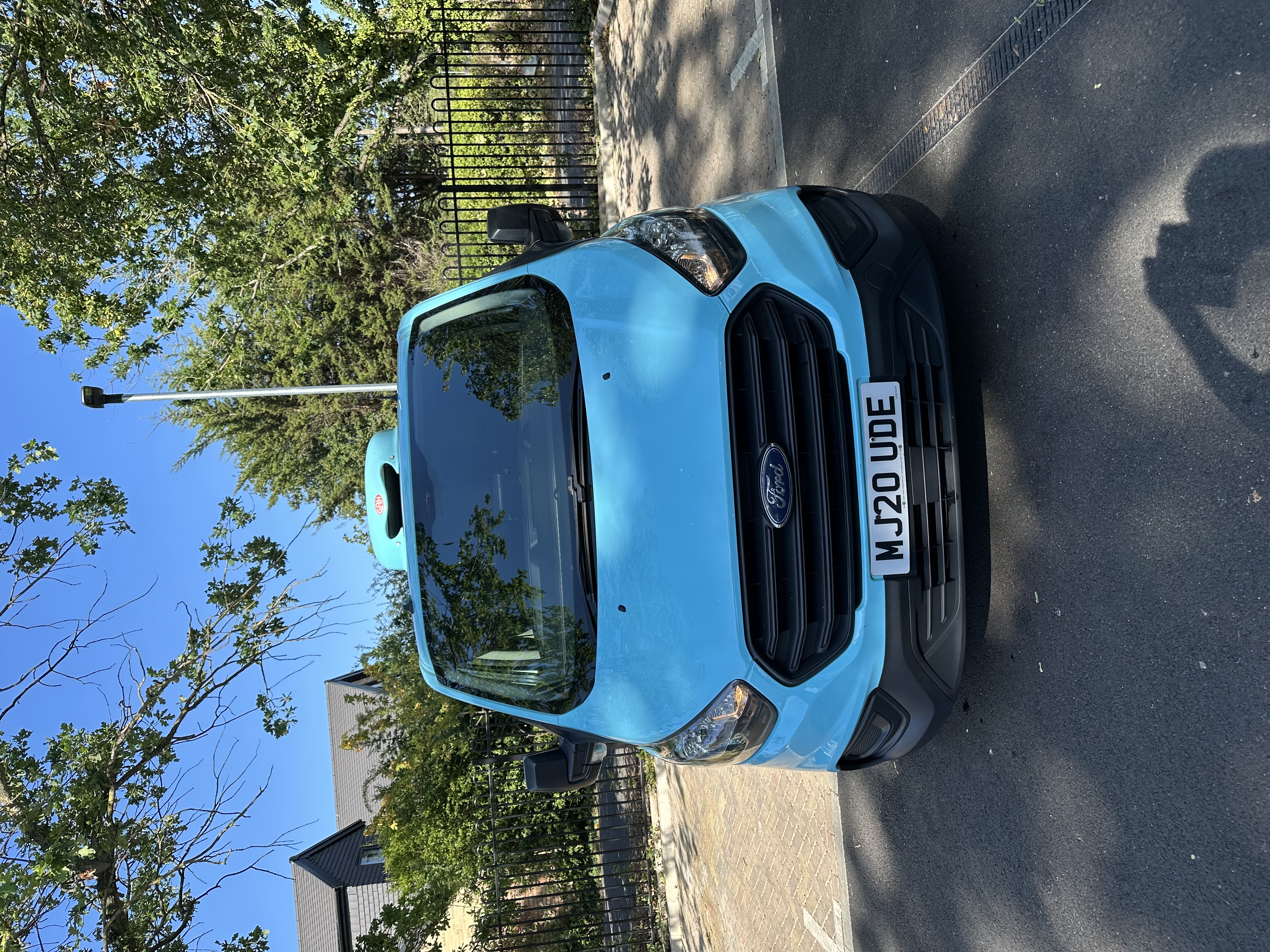

Should You Repair Scratches and Dents Before Selling Your Car?
Should you spend money repairing scratches, dents and damaged alloys before selling your car? Learn which repairs may be worthwhile and when you're better off selling as-is.

Should You Repair Scratches and Dents Before Selling Your Car?
You're preparing your car for sale.
Mechanically, everything seems fine.
But then you start looking closely.
There's a scratch along one door.
A small parking dent on the rear quarter.
Two alloy wheels are kerbed.
The front bumper has several stone chips.
And suddenly you're wondering:
Should I repair all of this before selling the car?
The answer isn't automatically yes.
Sometimes spending £200 preparing a vehicle can make commercial sense.
Other times you could spend £1,000 on cosmetic repairs and barely change what a buyer is prepared to pay.
The important question isn't:
“Can this damage be repaired?”
It's:
“Will repairing it increase my selling price by more than it costs me?”
Let's work it out.
Condition Really Does Affect Car Value
Online valuations can give you an excellent starting point.
But they aren't always looking at the exact physical condition of the vehicle sitting on your driveway.
Auto Trader explains that condition can have a large influence on a vehicle's part-exchange value.
Significant scratches, chips, damaged bodywork and equipment that doesn't work can all affect the final figure.
That means two cars with identical:
- Registration year
- Mileage
- Engine
- Specification
can still achieve different offers because one needs substantially more preparation.
Buyers See Damage as a Cost
Imagine you're buying a car advertised for £10,000.
You inspect it and notice:
Front bumper scratched
Two alloys heavily kerbed
Dent in passenger door
What are you likely to think?
Probably:
“How much will all of that cost me?”
A professional motor trader thinks similarly.
Except the dealer also needs to consider:
- Bodyshop cost
- Parts
- Labour
- Vehicle preparation
- Time
- Resale expectations
That potential expenditure can influence the bid.
But Don't Repair Everything Automatically
This is where sellers frequently make a mistake.
They assume:
£500 spent = £500 added to the value
Used-car markets don't work that neatly.
RAC's current selling guidance says fixing cosmetic damage can make a vehicle more valuable or easier to sell, but also warns that you're unlikely to recover every pound spent in every case.
So before authorising a repair, compare:
Repair cost
against:
Likely improvement in selling price
If the numbers don't make sense, leave the damage and describe it honestly.
Start With the Cheapest Improvement: Cleaning
Before calling a bodyshop, thoroughly clean the vehicle.
This sounds obvious, but dirt can exaggerate cosmetic imperfections.
A proper exterior wash can reveal which marks are:
- Dirt
- Tar
- Paint transfer
- Light surface scratches
- Genuine paint damage
Clean the interior too.
Vacuum carpets.
Remove rubbish.
Clean the glass.
Empty the boot.
A clean car photographs better and gives buyers a clearer picture of its actual condition.
RAC specifically recommends thoroughly cleaning both exterior and interior before advertising because presentation affects buyer appeal.
Not Every Scratch Is the Same
“Scratch” can describe everything from a faint clear-coat mark to exposed bare metal.
That's why you should identify what you're dealing with before deciding whether to repair it.
Light surface scratches
Some light marks affect only the upper paint layers.
Professional polishing or appropriate scratch-removal treatment may dramatically improve them.
Deeper paint scratches
If the scratch has gone through the colour coat, more substantial paint correction or touch-up work may be required.
Bare-metal scratches
These deserve greater attention because exposed metal can potentially corrode.
RAC's August 2026 scratch guidance distinguishes between superficial damage, primer-level scratches and damage exposing bare metal, with increasingly involved repair methods as the damage becomes deeper.
What About Small Dents?
Again, the type of dent matters.
A shallow car-park dent where the paint remains intact may be suitable for:
Paintless Dent Repair (PDR).
PDR involves reshaping the panel without conventional filling and repainting.
According to current RAC guidance, it's particularly suited to small-to-medium dents where the paint remains intact, although sharp creases, panel-edge damage and cracked paint may require conventional bodywork instead.
For the right dent, that can potentially make preparation more economical.
When a Minor Repair May Make Sense
Suppose your otherwise excellent £20,000 car has one highly visible parking dent.
You obtain a sensible repair quote.
Removing that single defect could make the whole vehicle present considerably better.
That may be worthwhile.
Now imagine a £1,500 older car with:
- Multiple scratches
- Faded paint
- Several dents
- Kerbed wheels
- Worn interior
Trying to make that vehicle cosmetically perfect could cost a substantial percentage of its total value.
That's much harder to justify.
Vehicle Value Changes the Calculation
Buyers have different expectations at different price points.
RAC's 2026 selling guidance makes exactly this distinction: cosmetic defects such as kerbed wheels or minor scratches may matter considerably on an expensive or premium vehicle, while buyers of inexpensive older cars may accept more age-related wear if the price reflects it.
So ask:
What would a reasonable buyer expect from a car of this age, mileage and price?
A ten-year-old family hatchback doesn't need to look factory-new.
A nearly-new premium car is a different proposition.
Should You Repair Kerbed Alloy Wheels?
Alloy-wheel damage is common.
Light kerbing may simply be cosmetic.
Heavy damage can make an otherwise immaculate vehicle look neglected.
Whether refurbishment makes sense depends on:
- Number of damaged wheels
- Severity
- Wheel design
- Vehicle value
- Cost of refurbishment
- How you're selling the car
If all four wheels require expensive refurbishment, calculate the cost before automatically proceeding.
Again:
Spend strategically, not emotionally.
What About Stone Chips?
Some stone chips are normal wear for a used vehicle.
Particularly on:
- Bonnet
- Front bumper
- Mirror caps
A handful of age-appropriate chips isn't the same as severe paint damage.
Trying to eliminate every imperfection can quickly become expensive.
Instead, focus on defects that materially change how the vehicle presents.
Broken Equipment Is Different From Cosmetic Wear
Imagine the bodywork looks perfect.
But:
Electric window doesn't work.
Air conditioning doesn't operate.
Parking sensor is faulty.
Warning light is illuminated.
Those issues can matter more than a small scratch.
Auto Trader's valuation guidance notes that non-working equipment can negatively affect a car's value.
So if you have a limited preparation budget, don't automatically spend all of it on paintwork while ignoring functional faults.
Prioritise Your Repairs
A useful way to approach preparation is to divide problems into three categories.
Priority 1 — Safety or mechanical issues
Problems affecting safe or proper operation should receive attention first.
Priority 2 — Cheap, obvious improvements
Examples might include:
- Cleaning
- Replacing an inexpensive missing trim piece
- Removing paint transfer
- Polishing light marks
- Replacing a cheap blown bulb
Priority 3 — Expensive cosmetic work
Examples could include:
- Full panel repaint
- Multiple wheel refurbishments
- Large dent repairs
- Multi-panel paint correction
This final category needs a proper cost-versus-value calculation.
Example: When Repairing Makes Sense
Imagine your car might realistically sell for around:
£12,000 in good condition
But it has one noticeable dent.
A reputable repairer quotes:
£150
If removing the dent materially improves presentation and prevents buyers heavily negotiating against it, spending £150 may be reasonable.
Now change the numbers.
The repair costs:
£1,500
But the likely selling-price improvement is only:
£500
You've spent £1,000 more than you've potentially gained.
That's not preparation.
That's destroying value.
Get Quotes Before Deciding
Don't guess repair costs.
Photograph the damage clearly and obtain quotations.
Then compare:
Estimated value as-is
versus:
Estimated value repaired
minus:
Repair cost
This creates a much more rational decision.
Selling Privately Changes the Equation
Private buyers frequently make emotional purchasing decisions.
Presentation can therefore matter enormously.
A freshly cleaned, polished and well-presented vehicle may generate:
- More enquiries
- Better first impressions
- Greater buyer confidence
- Less aggressive negotiation
Visible cosmetic damage gives private buyers obvious negotiating ammunition.
That's why modest preparation may be worthwhile when selling privately.
Selling to a Motor Trader Can Be Different
Professional dealers understand vehicle preparation.
A trader might already have:
- Bodyshop relationships
- Wheel refurbishment suppliers
- Smart-repair contractors
- Mechanical workshops
- Trade labour rates
A repair that costs you £500 retail might cost a dealer considerably less through their existing supply chain.
That means repairing the vehicle yourself isn't always the most economical route when selling directly into the trade.
Sometimes the smarter option is:
Declare the damage accurately and let buyers price it themselves.
This Is Where Dealer Competition Gets Interesting
Imagine three dealers inspect the same scratched vehicle.
Dealer A estimates:
£600 preparation
Dealer B has an in-house bodyshop and estimates:
£350
Dealer C already wants that exact model and is willing to accept a smaller margin.
They don't necessarily value the damage identically.
That's why the strongest market offer isn't always produced by trying to make the vehicle perfect yourself.
Sometimes allowing multiple professional buyers to assess the vehicle can reveal whether repairing it is even necessary.
Should You Claim on Insurance for Cosmetic Damage?
Be cautious.
A cosmetic repair costing a few hundred pounds doesn't automatically mean making an insurance claim is financially sensible.
You may need to consider:
- Excess
- Policy terms
- Claims history
- Future premiums
- Severity of damage
RAC's current dent guidance similarly recommends weighing the cost of fixing the damage yourself against the implications of making an insurance claim.
For significant accident damage, the calculation can obviously be very different.
Don't Attempt a Bad DIY Repair
A poor repair can look worse than the original damage.
Examples include:
Wrong-colour touch-up paint
Visible overspray
Poorly filled dents
Heavy polishing damage
Uneven paint finish
Badly repaired alloy wheels
If you're not confident about a repair, consider leaving it to a professional.
An honest original scratch can sometimes be easier for a buyer to assess than a suspicious-looking repair.
Be Honest in Your Advertisement
Don't photograph the vehicle strategically to hide significant damage and then surprise the buyer at collection.
RAC recommends being open about condition and notes that disclosing paintwork damage can build buyer trust and allow sellers to explain that the asking price already reflects the defect.
For CarMazium sellers, accurate condition information is particularly important because motor traders need to assess what preparation the vehicle may require.
Take Good Photographs
Once the vehicle is clean, photograph it properly.
Use daylight.
Capture:
- Front
- Rear
- Both sides
- Front three-quarter
- Rear three-quarter
- Wheels
- Interior
- Dashboard
- Boot
For significant damage, provide a clear photograph.
The objective isn't to make your car look worse.
It's to give buyers enough information to make a realistic assessment.
The £1 Test
Before paying for any cosmetic work, ask yourself:
“For every £1 I spend, am I reasonably likely to get at least £1 back?”
If yes, the repair may make commercial sense.
If not, you're potentially spending money for the next owner's benefit.
That's why sellers should avoid automatically repairing every scratch and dent.
How CarMazium Can Help
When selling through CarMazium, accurate vehicle condition allows competing motor traders to make informed bids.
Rather than guessing:
“Will repairing this dent add £500?”
you can see what professional buyers are prepared to offer for the vehicle in its current condition.
Different dealers may calculate preparation costs differently.
That competition can help reveal the vehicle's actual trade-market demand.
If you decide to sell as-is, describe:
- Scratches
- Dents
- Alloy damage
- Mechanical faults
- Warning lights
- Interior damage
accurately.
Better information means better-informed bidding.
Frequently Asked Questions
Should I repair scratches before selling my car?
Minor, inexpensive repairs may improve presentation and saleability. More expensive repairs should be compared against the likely increase in selling price.
Do scratches reduce car value?
They can. The effect depends on severity, location, vehicle age, value and buyer expectations.
Should I fix dents before part-exchanging my car?
Not automatically. Obtain a repair quote and compare it with the likely impact on the part-exchange value.
Is paintless dent repair worth doing before selling?
It can be economical for suitable small or medium dents where the paint remains intact. Not every dent is suitable for PDR.
Should I refurbish alloy wheels before selling?
It depends on the severity of the damage, refurbishment cost and vehicle value. Premium vehicles may benefit more from cosmetic preparation than inexpensive older cars.
Should I clean my car before valuation?
Yes. A clean vehicle is easier to inspect accurately and presents better to potential buyers.
Can I sell my car with scratches and dents?
Yes. Used cars don't need to be cosmetically perfect. Describe significant damage honestly and price the vehicle accordingly.
Final Thoughts
The goal before selling your car isn't to make it perfect.
It's to make sensible financial decisions.
Fix inexpensive problems that clearly improve presentation.
Clean the vehicle properly.
Get quotes for larger repairs.
Then calculate whether you're likely to recover the money.
For expensive cosmetic work, don't assume the answer is automatically yes.
Sometimes repairing the damage increases your return.
Sometimes selling honestly as-is leaves you with more money in your pocket.
The best decision comes from knowing:
what your car is worth now, what the repair will cost, and what the car is realistically worth afterwards.
Sell your car your way
Ready to turn your research into a real sale?
List in the CarMazium dealer auction for £0, or advertise retail from £1. Qualifying successful auction sales can receive a £100 seller incentive.
Keep reading
Related automotive guides

WeBuyAnyCar Alternatives UK 2026: Compare Better Ways to Sell Your Car
Looking for an alternative to WeBuyAnyCar? Compare CarMazium, Carwow, Auto Trader, dealer auctions and private selling to find the right way to sell your car.

Selling an Electric Car in the UK: Battery Health, Range & Value Guide 2026
Selling an electric car? Learn how battery health, real-world range, charging speed, warranty, service history and charging cables can affect buyer confidence and your EV's value.

Do Previous Owners Affect a Car's Value? UK Guide 2026
Does a one-owner car really sell for more? Learn how previous keepers can affect used-car value, why ownership history matters and what sellers can do when a car has changed hands several times.
From the marketplace